Column · @charlieaard409
Pest Control Services Sussex County: Understanding Treatment Plans and Pricing


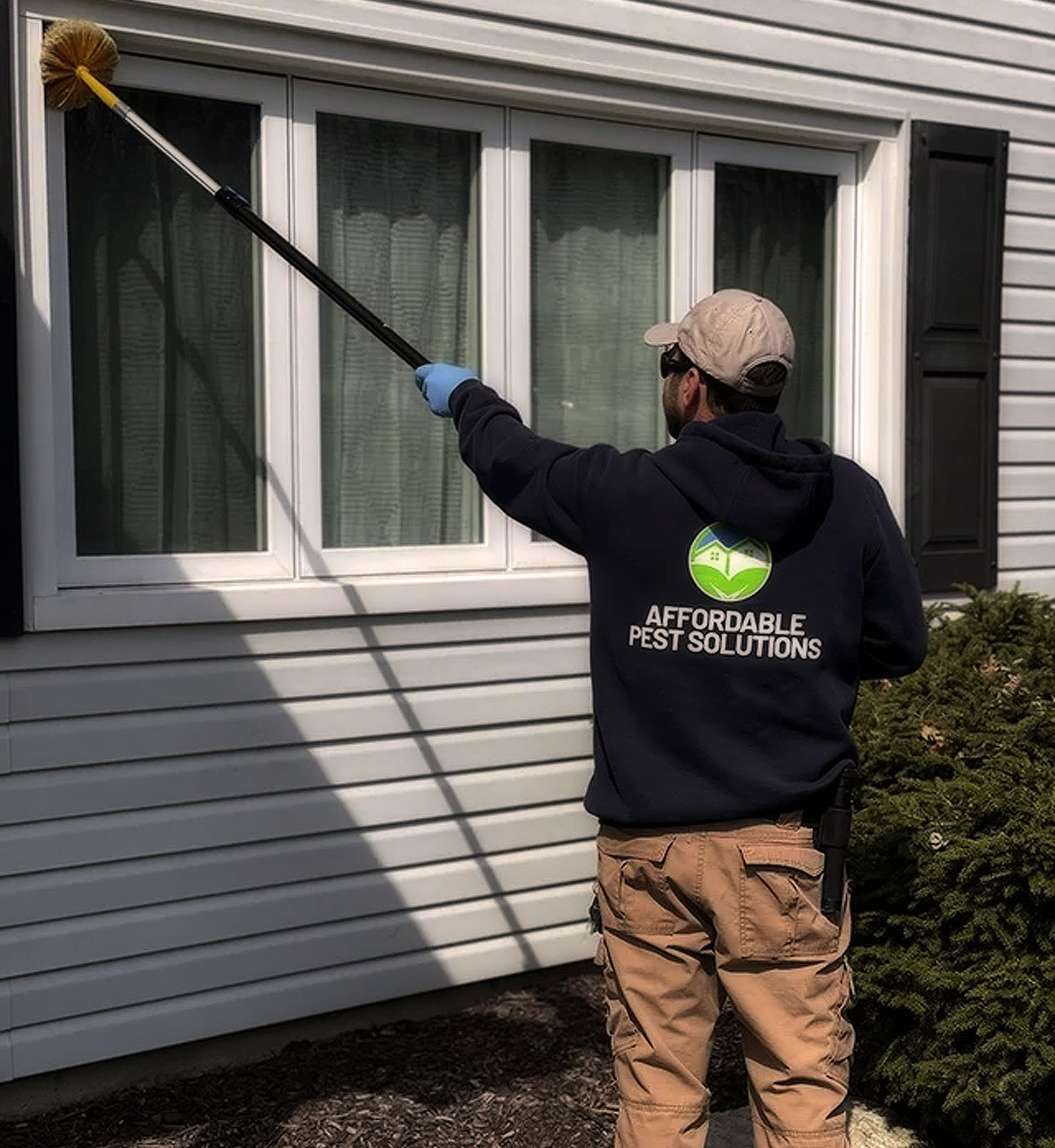
When people start looking into Pest Control Services Sussex County, they usually have one of two motives. Either something is already crawling, scratching, or stinging where it should not be, or they are trying to stay ahead of a seasonal problem before it turns into a disruption. Those are very different moments, and they shape both the treatment plan and the price.
A homeowner who spots one wasp nest under the eaves may need a focused exterior service and a short follow-up window. A family hearing mice in the attic for three weeks, finding droppings in the pantry, and noticing a gap under the bulkhead door is dealing with a broader issue. One is a straightforward targeted treatment. The other is part extermination, part inspection, part exclusion work, and part ongoing monitoring.
That is why pest control pricing can seem inconsistent from one estimate to the next. It is not just about the type of pest. It is about access, severity, property layout, construction details, sanitation conditions, moisture, season, and whether the goal is elimination, prevention, or both. In Sussex County, where housing ranges from older farmhouses and shore-adjacent cottages to newer subdivisions and commercial spaces, no single plan fits every property.
Why treatment plans vary more than most people expect
The biggest misunderstanding in pest control is the idea that all infestations of the same pest should cost the same to treat. In practice, two homes with ants can require completely different approaches.
One property may have pavement ants entering through a crack near the front step and trailing into the kitchen. Another may have carpenter ants tied to wet wood behind a chimney chase, with satellite activity in wall voids and an outdoor colony near a rotted stump line. Both cases involve ants, but they do not call for the same labor, materials, or timeline.
The same pattern shows up with rodents. A basic mouse service might involve inspection, trap placement, baiting where appropriate, and a return visit. A heavier infestation often requires more time in the crawl space, attic assessment, multiple entry point recommendations, sanitation advice, and repeat visits to break the cycle. If technicians have to work around finished basements, dense storage, low-clearance crawl spaces, or inaccessible soffits, that changes the scope immediately.
Professionally built treatment plans account for three things at once: what is happening now, why it is happening, and what has to change so it does not come back. If the plan only addresses the first point, it may give temporary relief without solving the root problem.
What a solid inspection should actually cover
A meaningful inspection is more than a quick walk around with a flashlight. For many pests, the visible activity is only a clue. The real value lies in tracing pressure points.
Inside the structure, a technician should be paying attention to signs such as droppings, grease marks, frass, shed skins, moisture damage, nesting material, entry gaps, food access, and travel routes. Kitchens, utility rooms, basements, attics, crawl spaces, garage perimeters, and window lines usually tell the clearest story. In multi-level homes, the top and bottom of the structure often reveal different problems. Wasps favor eaves, soffits, and shutters. Mice and squirrels may exploit roofline intersections. Roaches often show up where plumbing, warmth, and clutter meet.
Outside, the inspection should connect the building to the site conditions. Dense vegetation touching siding, standing water, clogged gutters, stacked firewood, bird feeders near entry points, open crawl vents, and poor grading can all feed pest pressure. In Sussex County, moisture plays a larger role than many homeowners realize. Damp crawl spaces support insects and create conditions that attract larger pests looking for shelter and food.
A careful inspector also has to evaluate what not to treat. That sounds odd, but it matters. Spraying broadly without knowing where activity is rooted can waste time and product. It can also create false confidence. A focused plan is usually better than a heavy-handed one.
Common treatment structures you are likely to see
Most service proposals in the area fall into a few broad formats, though companies may describe them differently. The structure often tells you as much as the price.
A one-time service is typically used for isolated issues such as a visible nest, a localized ant trail, or a minor seasonal flare-up. It tends to work best when the pest source is clear and the risk of reinfestation is low. Some companies include a short service warranty or return period, while others charge separately for any follow-up.
Ongoing service plans are common for general pest prevention. These may be monthly, bi-monthly, or quarterly depending on the company and the pressure level. In a preventive plan, the technician is not just reacting to an active problem. The goal is to maintain a barrier, monitor risk areas, and catch developing issues early. For many homes, quarterly service is enough. Properties near woods, wetlands, crawl-space-heavy construction, or frequent short-term rental turnover may need more frequent attention.
Intensive corrective plans are different. These are built for established infestations, especially rodents, cockroaches, bed bugs, carpenter ants, fleas, and some wildlife-related intrusion issues. A corrective plan often includes an initial heavy service, follow-up visits, trap checks, reassessment, and recommendations for repairs or environmental changes. This is where homeowners sometimes compare prices too quickly. A lower estimate may reflect a lighter plan, not a better value.
How pricing is usually determined
Pricing in pest control is rarely arbitrary. It tends to follow a few practical realities, even when companies package things differently. The final number usually reflects the time required, the complexity of the pest, the amount and type of material used, the number of visits needed, and the risk of recurrence.
Here are the factors that most often move the price up or down:
-
Pest type and behavior
Some pests are simply harder to eliminate. A wasp nest on a reachable porch beam is generally less involved than German cockroaches in a shared-wall kitchen or mice traveling through multiple hidden entry points. -
Severity of activity
Early-stage problems cost less to manage than entrenched ones. A few ants near a sink may be simple. Ants behind cabinets, in voids, and around exterior landscaping take more work. -
Property size and access
Square footage matters, but so does accessibility. A compact ranch with a dry, open basement is easier to service than a large home with a cluttered attic and a tight crawl space. -
Number of visits included
Some quotes cover one application only. Others include return inspections, trap resets, warranty callbacks, or seasonal monitoring. Those are not equal proposals, even if the opening price is close. -
Exclusion or repair recommendations
Sealing gaps, screening vents, replacing door sweeps, and correcting conditions that attract pests can significantly improve outcomes. Sometimes that work is included. Often it is quoted separately.
In practical terms, many homeowners in Sussex County encounter a broad range of costs rather than a fixed menu. A routine general pest visit may be modest compared with a multi-visit rodent program or a specialized bed bug treatment. The key is understanding what the fee covers. Without that, a cheaper quote can become the more expensive choice once callbacks, unresolved access issues, or recurring infestations are factored in.
The difference between treatment and exclusion
This is one of the most Pest Control Services Sussex County important distinctions in the industry, and one that people often learn only after paying for repeated service.
Treatment deals with the pest population currently active on or in the property. Exclusion deals with how they got there. If a mouse problem is reduced through trapping and baiting, but the utility line gap in the sill plate remains open, the property is still vulnerable. The treatment may succeed in the short term, but the structure remains inviting.
The same principle applies to wasps and yellowjackets around rooflines, cockroaches moving through wall penetrations near plumbing, or ants exploiting moisture-damaged trim. Chemicals, dusts, baits, and traps are tools. They work best when paired with physical corrections and environmental changes.
Not every company performs exclusion work directly. Some provide recommendations only. Others handle minor sealing in-house and refer larger carpentry or vent repairs to contractors. Either approach can be fine, as long as the homeowner is clear on responsibility. If the estimate does not explain whether exclusion is included, ask.
Seasonal patterns in Sussex County that affect both plan and price
Local timing matters. Sussex County properties can see sharply different pest pressures depending on the month, the weather pattern, and proximity to woods or water.
In spring, ant activity ramps up as colonies expand and foragers push indoors. Carpenter bees, wasps, and cluster-fly-style nuisance activity begin to show around exterior trim and eaves. Early intervention at this stage is usually cheaper than waiting until nests mature or indoor trails become established.
Summer brings heavier pressure from stinging insects, mosquitoes, flies, and occasional pantry or moisture-related pests. Rental properties and vacation homes sometimes face a different challenge here. A short vacancy followed by repeated occupancy can mask the source of a problem until it becomes more widespread. I have seen properties that looked clean at first glance but had food debris under appliances, unsealed trash storage, and open slider tracks that effectively invited pests inside all season.
Fall is the transition period for rodents, spiders, and overwintering insects. This is one of the most valuable times for prevention. Once temperatures drop, mice start testing gaps around garage thresholds, foundation penetrations, and basement entries. A homeowner who schedules service after hearing activity in the walls is already behind the curve.
Winter does not eliminate pest work. It often concentrates it indoors. Rodent calls continue, and dormant-season inspections can reveal access points hidden by summer growth. In older homes, winter service often uncovers issues with insulation disturbance, chimney voids, or crawl-space conditions that were easy to miss earlier in the year.
How to read an estimate without getting lost in the wording
Pest control proposals are often short on plain language. Terms like initial service, maintenance treatment, spot treatment, monitored stations, limited warranty, and follow-up as needed can mean very different things depending on the company.
What matters most is not the vocabulary, but the operational detail behind it. If a plan says it includes rodent control, find out whether that means bait stations outside only, interior traps, return visits, attic inspection, sanitation guidance, and entry-point review. If a general pest plan mentions ants, spiders, and occasional invaders, ask whether carpenter ants or large outdoor nesting issues are treated under the same program or billed separately.
A strong estimate should answer a few practical questions in plain terms. What pest is being targeted. Where treatment will occur. How many visits are included. What kind of follow-up is available if activity continues. Whether there are preparation steps for the homeowner. Whether preventive recommendations are part of the service record.
If those answers are vague, price comparison becomes almost meaningless.
Cases where the lowest quote is not the best value
There is nothing wrong with wanting a fair price. The problem comes when people compare only the top-line number and miss the difference in scope.
A common example is rodent service. One company may quote a low initial fee that covers exterior bait stations and one quick interior check. Another may charge more, but include a full structural inspection, trap placement in key areas, two or three follow-up visits, documentation of entry points, and recommendations for sealing. The first number looks better. The second plan is often the one that actually solves the problem.
The same thing happens with stinging insects. A low-cost nest knockdown may remove the visible nest but ignore secondary activity, emerging queens, or vulnerable nesting zones around the home. A more complete service may cost more upfront but reduce repeated calls through the season.
With bed bugs, cockroaches, and heavy flea work, incomplete pricing is especially risky. Those jobs often fail when the treatment plan is underbuilt. If the proposal does not reflect the biology of the pest, the odds of repeat service go up.
Questions worth asking before you approve a plan
A few direct questions can save a lot of frustration later. These are the ones that tend to separate a polished sales pitch from a workable service plan:
- What exactly is included in the quoted price, and how many visits does that cover?
- Is this a treatment-only plan, or does it address likely entry points and conditions that are feeding the problem?
- If activity continues after the first visit, what follow-up is included and within what time frame?
- Are there parts of the property you cannot treat safely or effectively without repairs or homeowner preparation?
- For this specific pest, what result should I reasonably expect after the first service, and what would count as a sign the plan needs adjustment?
A professional should be able to answer these without evasion. Not every answer will be simple, especially with difficult pests, but the explanation should be clear.
Residential and commercial pricing are not built the same way
Commercial pest control follows a different logic from residential work, even when the pests overlap. A restaurant, office, warehouse, daycare, medical setting, or property management portfolio has different inspection demands, documentation needs, and liability concerns.
Commercial plans often depend on service frequency, industry regulations, sanitation coordination, access scheduling, and the amount of monitoring required. A small office with occasional ant issues is one thing. A food-handling environment with drain fly pressure, deliveries moving in and out all day, and strict audit expectations is another.
In Sussex County, seasonal business cycles can also shape service design. Hospitality properties, rentals, and mixed-use buildings may need pre-season inspections, peak-season adjustments, and tighter response windows. That affects labor planning, and labor planning affects price.
Red flags that suggest a proposal is too thin
Not every short estimate is a bad one. Simple jobs do exist. Still, there are a few warning signs that usually deserve closer scrutiny.
If the provider identifies the pest without asking many questions or inspecting likely Pest Control Services Sussex County source areas, that is a concern. If the proposed treatment sounds the same regardless of whether the issue is ants, roaches, or rodents, that is another. If the plan emphasizes spraying everywhere without discussing conditions, harborage, or access points, the service may be more cosmetic than corrective.
Be cautious with very broad guarantees that do not explain exclusions. Reputable companies often stand behind their work, but meaningful warranties have terms. Weather, sanitation, structural gaps, neighboring infestations, and untreated adjoining spaces can all affect results. A guarantee that sounds too easy often is.
What homeowners can do to keep costs from climbing
Some pest issues become expensive because they are biologically difficult. Others become expensive because the structure gives pests an open invitation. The most cost-effective homeowners are usually not the ones doing the treatment themselves. They are the ones who make the property less attractive and more accessible for proper service.
A dry basement, trimmed vegetation, sealed food storage, covered trash, repaired screens, and closed utility gaps can dramatically improve outcomes. So can simple access measures on service day. If the technician can actually inspect behind stored boxes, reach the attic hatch, access the crawl entrance, and evaluate the foundation perimeter, the treatment plan gets better immediately.
I have seen modest houses with minimal recurring pest trouble because the owners stayed ahead of moisture and maintenance. I have also seen large, well-finished homes with repeat issues because nobody wanted to address the torn vent screen, the mulch piled against siding, or the birdseed stored in the garage in open bags. Pest control works best when service and property care meet in the middle.
A realistic way to think about value
The best value in Pest Control Services Sussex County usually comes from a plan that matches the actual pressure on the property, not from the lowest or highest number on the page. A fair estimate should reflect time, access, follow-up, and the biology of the pest. It should also tell you whether the service is meant to knock down an isolated issue, manage an active infestation, or prevent seasonal recurrence.
That distinction matters because good pest control is rarely just a spray or a bait station. It is a process of diagnosis, treatment, monitoring, and correction. Sometimes that process is simple. Sometimes it takes several rounds and a few building fixes before the problem truly stabilizes.
When homeowners understand that, pricing starts to make more sense. They stop asking only, "How much does it cost?" And start asking, "What problem does this plan actually solve?" That is the question that leads to better decisions, better service outcomes, and fewer unpleasant surprises a month later.
Affordable Pest Solutions LLC
Based in Budd Lake, New Jersey 07828
Service area: Sussex County, Morris County, and Warren County, New Jersey
+1 973-229-9547
FAQ About Pest Control Services Sussex County
What is included in a pest control service in NJ?
A visit generally starts with an inspection to identify the pest and assess activity, access points, and contributing conditions. The proposed service may include treatment, monitoring, exclusion recommendations, and follow-up. Ask which pests and areas are covered by the written quote.
How much does a pest controller charge in NJ?
Pricing depends on the pest, property size, severity of activity, and work required. A single treatment and an ongoing plan can have different costs and coverage. Request an inspection-based estimate that explains the included work, follow-up fees, and warranty terms.
How to prepare my home for pest control?
Ask for instructions specific to the planned service. The technician may need access to inspection areas and may ask you to move belongings or protect food and dishes. Mention pets, aquariums, and any household concerns beforehand. Follow the product label and the technician's instructions about leaving and re-entering treated areas.